
i don’t actually owe the internet a weekly update
or maybe i do, according to the content calendar industrial complex

Apparently the algorithm likes consistency. Creators should post daily. Founders should build in public. Thought leaders should, well... have thoughts. Constantly.
Maybe that’s good advice. It’s just never worked for me.
I’ve been quiet here for a while. Not because I ran out of things to say, but because I was too busy collecting them.
My writing has always come in waves. I’ll write four articles in two weeks, disappear for a month, then suddenly need to empty my brain again. I’ve stopped feeling guilty about it because I’ve realized something: whenever I’m not writing, I’m usually out in the world finding something worth writing about.
The past few weeks took me from London to Montréal to Dakar. Looking back, I wasn’t travelling nearly as much as I was doing fieldwork.
something worth showing up for
In London, I spent a week at SXSW listening to conversations about AI, creativity and the future of basically everything. Every keynote promised the next big shift. Every panel had a framework. Every conversation eventually landed on the same question: if AI can make almost anything, what actually becomes valuable?
Ironically, one of the best answers came outside the conference.


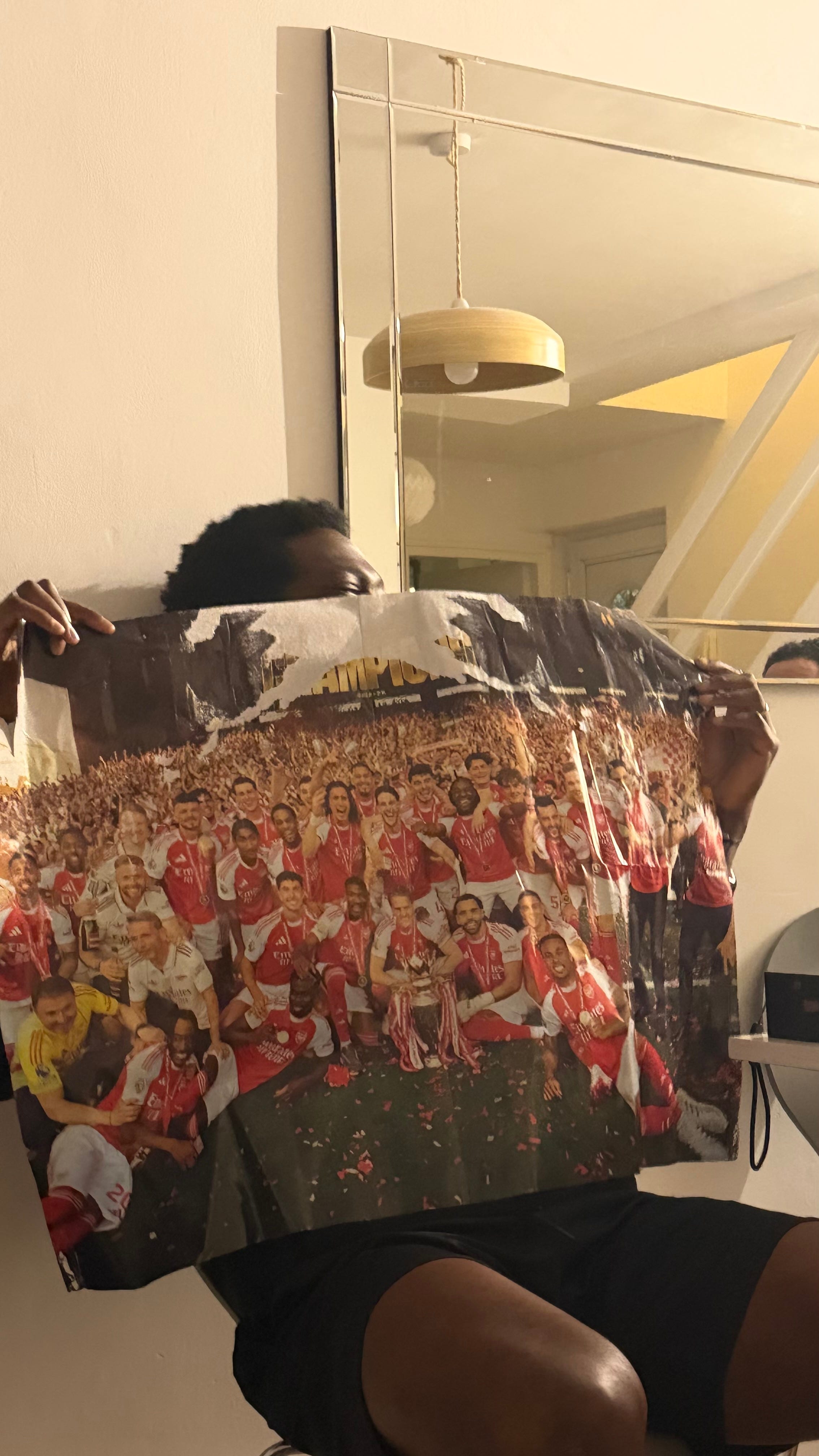
I watched Arsenal lose to PSG. As a PSG fan, I was ectastic. But what stayed with me wasn’t the score. It was everything happening around it. North London before kickoff. Pubs overflowing hours before the match. Streets dressed in red. Families, teenagers, grandparents and strangers moving through the city like the game belonged to all of them.
A few friends of mine had even flown from Montréal just for the match. They crossed the Atlantic, paid for flights and hotels, watched their team lose, and would probably do it all over again next season.
Imagine asking people to spend thousands of dollars on an experience where disappointment is a very real possibility.
It made me realize that football isn’t really selling ninety minutes of sport. It’s creating a ritual. For a brief moment, people stop living parallel lives and experience the same thing together. In a world where our attention is increasingly individualized, that’s becoming remarkably rare.
Most brands would kill for that kind of loyalty. Football earns it every weekend.
attention follows meaning
Back in Montréal, that same idea kept following me around. I saw the same thing play out in a place I never expected: an online study session.
This spring, I had the chance to work on Les Grandes Révisions with Alloprof, where tens of thousands of students voluntarily logged on to study together before their final exams.
We spend a lot of time talking about young people’s shrinking attention spans, their addiction to entertainment and the impossibility of reaching them. And yet, when the experience feels meaningful, tens of thousands willingly spend their evenings reviewing math, history and science with complete strangers.
Maybe people don’t have an attention problem. Maybe they have a reason-to-gather problem.
A few weeks later, I hosted and organized the launch of the first direct Air Transat flight between Montréal and Dakar. On paper, it was an airline event. In reality, it felt more like a family reunion. An airport terminal filled with politicians, executives, journalists, families, drummers, dancers, hugs and more than a few tears.
It reminded me that people rarely care about infrastructure itself. They care about what infrastructure makes possible. One less layover to see your grandmother. Cousins who see each other more often. Parents who no longer have to explain why getting home has always been so complicated.
The product wasn’t a flight. It was proximity.


success without the spectacle
Then I landed in Senegal for a family wedding. Like most trips home, it quickly stopped being about the event itself.
For nearly two weeks, I was surrounded by about twenty-five cousins who had flown in from Canada, France, the UK, the US and, of course, Senegal. Doctors. Lawyers. Entrepreneurs. Engineers. People building impressive careers all over the world.
What fascinated me wasn’t how different we were. It was how differently we defined a successful life.
Of course we talked about work. But we spent even more time talking about football, politics, family, childhood memories and whatever happened to be on someone’s mind that day. We stayed out too late. We danced. We dropped by relatives’ houses unannounced. Lunch somehow became dinner, and dinner somehow became 2 a.m.
Nobody seemed interested in performing success.
Coming from North America, where being busy has almost become a status symbol, I found that refreshing. Ambition was everywhere around me, but it wasn’t consuming everything else. Work wasn’t treated as the most interesting thing about a person.
It made me wonder how much of our relationship with work is actually personal, and how much of it is simply cultural.
For someone who spends her days trying to understand people, that’s a useful reminder. Consumer behaviour doesn’t happen in a vacuum. Neither do our ambitions. The culture we grow up in quietly shapes what we admire, what we chase and, ultimately, what we think a good life looks like.
Spending time in Senegal reminded me that a full calendar and a full life aren’t always the same thing.


anyway, here’s what i learned
Looking back, the best observations came from being in the room, not studying it from a distance.
Football taught me about ritual.
Students reminded me that attention follows meaning.
A flight showed me that people buy what something enables, not what it is.
My family reminded me that success looks different depending on where you’re standing.
Don’t get me wrong. I love dashboards. I literally built a company around understanding audiences through data. But data has always helped me explain people. It has never replaced spending time with them.
Which is why I refuse to participate in the self-imposed expectation that we always need to produce something new just to keep everyone entertained.
Not every observation needs to become a LinkedIn post. Not every trip needs a carousel. Sometimes your only job is to pay attention.
The writing always comes back in waves. This one feels like it’s starting.
The full calendar and full life distinction is doing a suspicious amount of work on me. Also, “reason to gather problem” feels painfully accurate.
Whatever this genre of Substack writing is, I throughly enjoyed it! No agenda, no sell, just life